HARGEISA, Somaliland — Somaliland has asked the United Nations to coordinate future visits by senior officials to Laascaanood through established diplomatic channels, after a senior UN delegation visited the disputed city without what Somaliland said was adequate prior consultation.
In a statement, Somaliland’s government said it had taken note of the visit but stressed that humanitarian assistance to communities in need, including people in Las Anod, should continue. It said the issue was not humanitarian access but the diplomatic procedures governing visits to areas it considers politically and security sensitive.
“Visits by senior United Nations officials to areas of political and security sensitivity should be undertaken through established diplomatic channels,” the government said, calling for prior notification, consultation and coordination.
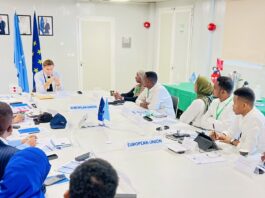
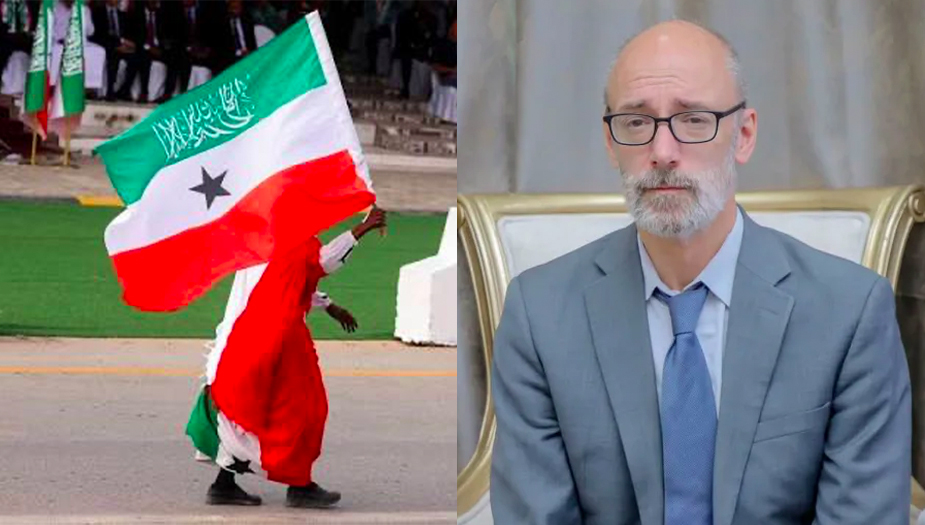
The statement comes after a UN delegation led by George Conway, the UN deputy special representative for Somalia and humanitarian coordinator, met officials of the North Eastern State administration in Laascaanood on Aug. 16. The discussions reportedly focused on humanitarian needs, development priorities and cooperation with the UN.
The visit has added another layer to the long-running dispute over who should administer Laascaanood and the wider Sool region. Somaliland withdrew its forces from the city in August 2023 after months of fighting with SSC-Khaatumo forces. The area has since become increasingly tied to Somalia’s federal political structure, with the federal government backing the formation of a North Eastern State administration.
Somalia’s federal government has continued to deepen its engagement in Laascaanood. President Hassan Sheikh Mohamud visited the city in January in a highly symbolic trip, while federal authorities have expanded government services there.
The United Nations’ engagement comes as humanitarian pressures remain significant. Authorities in the region have recently sought to strengthen emergency preparedness, including the opening of an emergency response centre in Laascaanood, amid concerns over drought, displacement and food insecurity.
For Somaliland, however, the presence of senior international officials in Laascaanood carries political significance beyond humanitarian work. Hargeisa regards the region as part of its claimed territory, while Somalia’s federal authorities and the North Eastern State administration reject that position.
Somaliland said it continued to value its “longstanding and constructive partnership” with the United Nations and would maintain cooperative engagement. But it made clear that future visits should be coordinated through the channels it says are required for international engagement.
The disagreement illustrates the delicate balance facing humanitarian organisations operating in areas where questions of territorial control and political legitimacy remain unresolved: aid must reach communities in need, while international actors navigate competing authorities and sensitivities on the ground.