

MOMBASA, Kenya — Somalia has reaffirmed its commitment to strengthening anticipatory action, an approach designed to help governments and communities prepare for disasters and mitigate their effects before they develop into humanitarian crises.
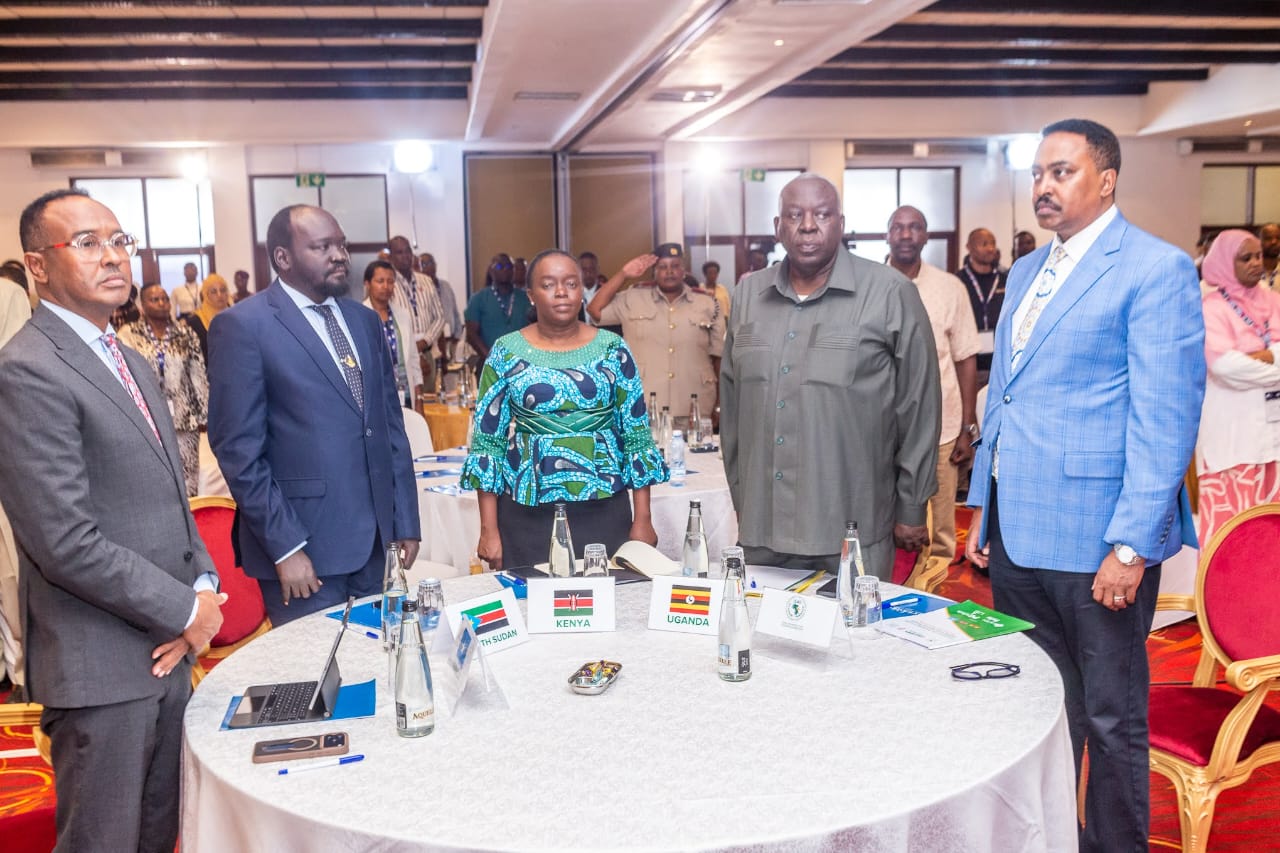
Mohamud Mo’allim Abdullahi, commissioner of the Somali Disaster Management Agency (SoDMA), represented Somalia at a high-level ministerial session of the Second Eastern Africa Dialogue Platform on Anticipatory Action, known as EADP2, held in Mombasa, Kenya.
The meeting brought together government ministers and senior disaster-management officials from across the region to discuss ways to integrate anticipatory action into national policies, strengthen early-warning systems and improve cooperation in responding to emerging risks.
Participants included ministers responsible for humanitarian affairs and disaster management from South Sudan and Uganda, Kenya’s environment minister, Djibouti’s executive secretary for disaster management, Sudan’s commissioner for disaster management and the executive secretary of the Intergovernmental Authority on Development, or IGAD.
Focus on national leadership and preparedness
Discussions centered on incorporating anticipatory action into national institutions, implementing government-led roadmaps and establishing more reliable financing mechanisms to enable early intervention.
Anticipatory action involves taking planned measures before a disaster strikes, using forecasts and early-warning information to reduce potential harm to people, livelihoods and infrastructure. Such measures can help communities prepare for droughts, floods and other hazards before they escalate into emergencies.
For Somalia, strengthening this approach is part of a broader effort to improve disaster preparedness and ensure that responses are timely, coordinated and led by national institutions.
SoDMA said Somalia would complete the remaining steps needed to institutionalize anticipatory action as a nationally led and locally implemented approach.
The country also reaffirmed its commitment to implementing its National Anticipatory Action Roadmap, which is intended to clarify responsibilities, improve coordination among institutions and strengthen accountability.
Financing remains a priority
Securing predictable funding was another central issue at the meeting. Governments and humanitarian organizations often face challenges mobilizing resources quickly enough to respond to warnings of impending disasters.
Somalia emphasized the importance of increasing domestic financing for anticipatory action, while complementing national resources with pre-arranged funding and support from international partners.
Such financing arrangements can help authorities act on early warnings without waiting for a disaster to occur or for emergency appeals to be processed.
The discussions also highlighted the importance of regional cooperation in strengthening early-warning capabilities and ensuring that governments can translate forecasts into practical measures to protect vulnerable communities.
Protecting lives and livelihoods
Through SoDMA, Somalia is seeking to advance a more proactive approach to disaster management, with greater emphasis on prevention and preparedness alongside emergency response.
The approach aims to protect lives and livelihoods while safeguarding development gains that can be undermined by recurring climate-related hazards and other emergencies.
The Mombasa meeting provided a regional forum for governments and disaster-management institutions to discuss how national policies, financing and coordination mechanisms can support earlier intervention.
For Somalia, implementing its anticipatory action roadmap and strengthening domestic financing will be important steps in translating its commitments into practical measures for communities at risk.


