MOGADISHU – The last eight months, the Horn of Africa among the top headlines of global media coverage due to deteriorating diplomatic tensions between the neighboring East African countries Somalia and Ethiopia.
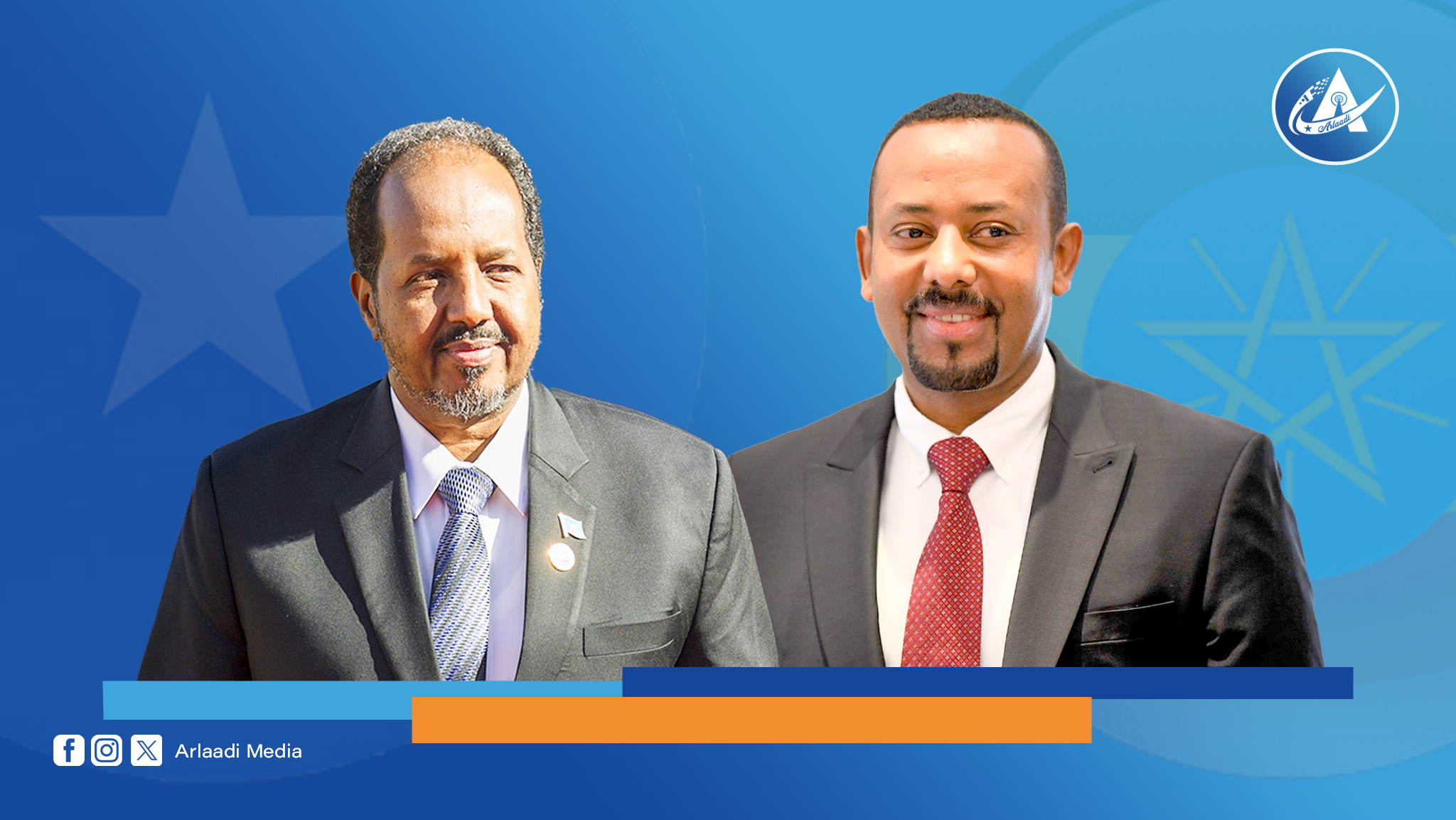
The crisis unfolded when the Ethiopian Prime Minister Abiy Ahmed inked a controversial MoU with the breakaway region Somaliland, a push slammed by Somalia as “a violation against its territorial integrity”.
The MoU singed in Addis Ababa fueled the geopolitics game in the region, evoking past grievances between Somalia and Ethiopia which characterized by complex dynamics including territorial disputes, and regional alliances.
“End of unchecked domination”
Since the civil war in 1991, Somalia has struggled with internal conflicts and Ethiopia has often been involved in Somali affairs, either directly through military interventions or indirectly by supporting various factions.
As many Somalis perceives Ethiopia’s action as an attempt to exploit Somalia’s political fragmentation and advance its interests, the recent deal was categorially protested against by dozens of nations including the United States.
“Ethiopia enjoyed 33 years of unchecked domination in Somalia, doing as it pleased. Now, it fears losing that power,” Abdirashid Hashi, a researcher and Somalia affairs Analyst said in an X (formally Twitter) post.
Somalia invites Egypt in defense step
In middle of August 2024, Somalia president Hassan Sheikh Mohamud visited Egypt and signed defense pact with his counterpart Abdel Fatah Al Sisi. Cairo previously expressed support Somalia sovereignty and condemned Ethiopia’s agreement with Somaliland.
The defense pact also allowed Egypt to contribute 10,000 troops to new African Union peacekeeping mission in Somalia. Meanwhile, Somalia government openly declared Ethiopia won’t be part of this new mission if not disown the MoU.
Egypt’s involvement in Somalia, particularly its military presence, has been criticized by Somaliland and raises concerns about the broader geopolitical rivalry between Egypt and Ethiopia, primarily over the Nile River and the Grand Ethiopian Renaissance Dam (GERD).
Downfall of Turkey-brokered talks
Egypt delivered its first military aid to Somalia in more than four decades on late Tuesday, a move that come one day after it lambasted by Ethiopia and Somaliland, claiming Cairo could jeopardize the stability of the Horn of Africa with Addis Ababa vowed “not to stand idle while other actors destabilizing the region”.
The worsening situation come as Turkey has hosted two rounds of indirect talks since July between Somalia and Ethiopia with the second round talks ended without progress after Addis Ababa delegation insisted not to withdraw from the MoU. A third round of negotiations is planned, but prospects for a breakthrough remain uncertain.
“Grateful to the Somalia negotiating team for the principled position on Ethiopia’s illegal MOU with Somaliland administration. Retracting it is the only acceptable pathway to a durable solution between the 2 neighbors,” said Abdi Aynte, former minister and coordinator of national task of defending the sovereignty.
He added: If and when that’s done, the next phase of the negotiations can be about “usage of ports” in line with UNCLOS, and not about “access to the sea” which is a fundamentally expansionist terminology”.
Way forward: “Rescind and apology”
As broader uncertainty growing, several Somali officials including Defense Minister Abdiqadir Mohamed Noor accused Ethiopian government of contributing to regional instability by disrespecting Somali sovereignty.
In contrast, Ethiopian senior officials including premier Abiy Ahmed and Foreign Minister Taye Atske Selassie has repeatedly made public statements asserting Ethiopia’s right to sea access in any meanings either by forces or negations.
Responding to Taye’s most recent statement, Somali lawmaker Ayub Ismail Yusuf called Prime Minister Abiy Ahmed Ali to rescind the controversial MoU with the breakaway region of Somaliland and issue a public apology.