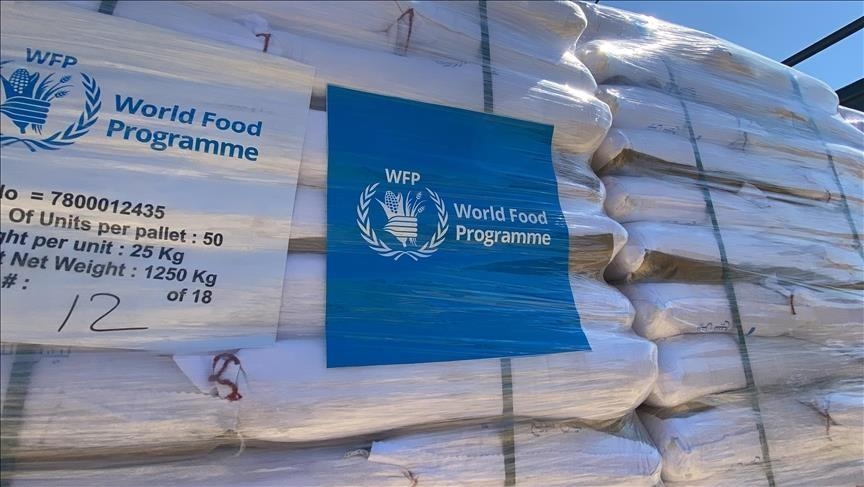
MOGADISHU, Somalia – The United States has announced it will resume World Food Programme (WFP) food distributions in Somalia after the federal government acknowledged responsibility for actions that disrupted humanitarian operations, including U.S.-funded assistance.
In a statement issued by U.S. Foreign Assistance, Washington said the decision follows Somalia’s recognition of its role in the disruption and steps taken to address the situation.
“Following this statement, we will resume WFP food distribution,” the U.S. said, while stressing that it is still reviewing its broader assistance to Somalia and maintaining a “zero-tolerance policy for waste, theft, or diversion of U.S. resources.”
The disruption had affected critical food supplies for millions of vulnerable Somalis, raising concerns among humanitarian agencies and international partners. U.S. officials had earlier suspended parts of the assistance after reports that a WFP warehouse in Mogadishu was demolished and donor-funded food supplies were seized during port-related works.
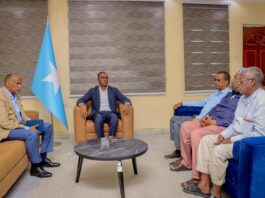
In recent days, Somali authorities have moved to repair relations with donors. The government confirmed that seized food stocks were returned to the WFP and that a new, secure warehouse was allocated to ensure aid operations continue without interruption. Officials also expressed regret over the incident and reaffirmed their commitment to protecting humanitarian assistance.
For many Somalis, the resumption of food aid comes as a relief amid persistent drought, conflict, and economic hardship. The country remains heavily dependent on international support, with millions facing food insecurity.
However, the United States signaled that the episode has not been fully closed. Washington said it would continue evaluating its overall assistance to Somalia, making clear that future support will depend on transparency, accountability, and safeguards against misuse of aid.
The move marks a cautious step toward restoring cooperation between Somalia and one of its key international partners, while highlighting ongoing tensions over aid management and governance in the fragile Horn of Africa nation.