MOGADISHU, Somalia — Somalia has made further progress toward joining the World Trade Organization (WTO) following a week of UK-funded technical discussions aimed at advancing the country’s long-running membership bid.
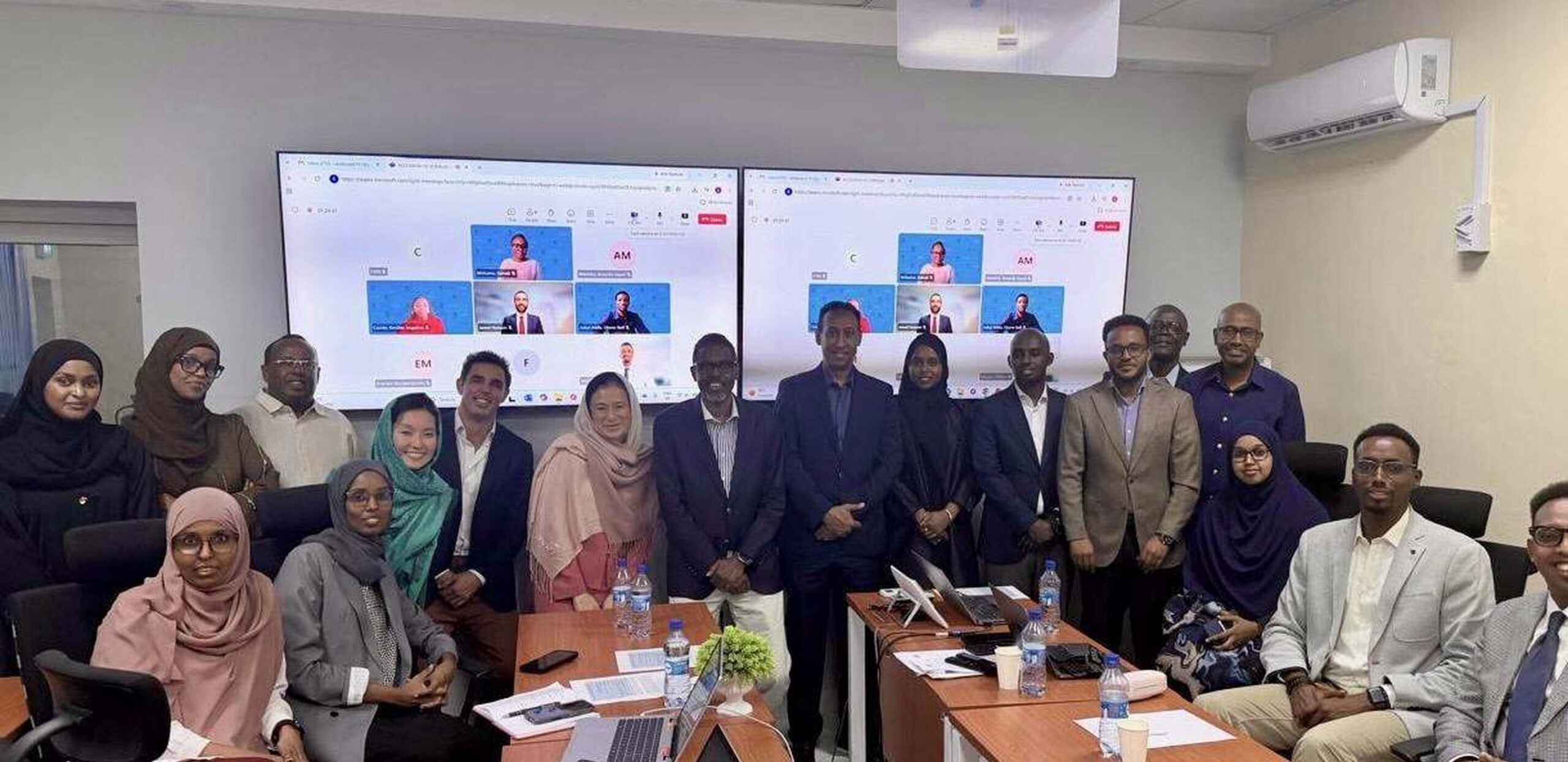
Officials from the WTO, the International Trade Centre (ITC) and the Somali government held discussions in Mogadishu from October 10 to 15, focusing on finalizing key documents required for the next stage of the accession process.
The work is expected to support preparations for Somalia’s next WTO working party meeting, anticipated in 2027, as the government seeks to bring its trade policies and regulatory framework into alignment with international standards.
Somalia formally applied for WTO membership in 2015, viewing accession as an opportunity to expand international trade, attract foreign investment and strengthen economic growth.
Customs Reforms and Market Access
The technical discussions covered several areas central to Somalia’s efforts to integrate into the global trading system.
These included customs procedures, import regulations, food safety standards, intellectual property protections and market access for goods and services.
Addressing these areas will be important in aligning Somalia’s trade regulations with WTO requirements and establishing a more predictable environment for international businesses and investors.
The discussions also examined how Somalia could align its future WTO commitments with existing regional trade agreements, reflecting the government’s interest in expanding access to regional and international markets.
Livestock Exports Highlight Trade Potential
Somalia’s livestock sector remains an important component of its export economy and a significant source of foreign exchange.
The country’s livestock exports generated approximately $576 million in 2025, highlighting the sector’s contribution to international trade and its potential for further expansion.
Improved access to international markets, stronger regulatory standards and more efficient customs procedures could create opportunities for Somali exporters, particularly in livestock and other agricultural products.
However, expanding trade will also require improvements in infrastructure, certification systems, food safety controls and the capacity of institutions responsible for regulating exports.
UK Backs Somalia’s WTO Ambitions
British Ambassador to Somalia Charles King reaffirmed the United Kingdom’s commitment to supporting Somalia’s efforts to join the WTO, describing the initiative as an important step toward creating business opportunities, attracting investment and generating employment.
The UK-funded technical discussions form part of international support for Somalia’s efforts to strengthen its trade institutions and prepare the necessary documentation for accession negotiations.
The involvement of the WTO and the International Trade Centre also reflects the technical and institutional requirements associated with joining the global trade body.
A Long Road Toward Global Trade Integration
Somalia’s WTO application, submitted in 2015, has been part of a broader effort to rebuild economic institutions and strengthen the country’s participation in international commerce.
Membership would bring Somalia into the multilateral trading system, where countries operate under agreed rules governing international trade in goods and services.
It would also require Somalia to undertake commitments covering trade regulations, transparency, customs administration and market access.
The latest discussions represent progress in preparing the documentation and technical groundwork for the next stage of the process. However, Somalia’s accession is not yet complete and will depend on further negotiations and the fulfilment of WTO membership requirements.
For Mogadishu, the challenge will be to translate progress in the accession process into practical economic reforms that improve the competitiveness of Somali businesses, attract investment and expand the country’s presence in international markets.