MOGADISHU, Somalia – Her Royal Highness The Duchess of Edinburgh, Sophie Helen, visited Somalia on Feb. 23–24 ahead of International Women’s Day to meet women and officials and highlight the difficulties faced by women in areas affected by conflict, displacement, and insecurity, the British Embassy in Mogadishu said.
During the visit, the Duchess met the wives of Somali soldiers in Lower Shabelle, who described the threats posed by al-Shabaab militants and the challenges of maintaining family life while their husbands serve in security forces. Analysts say such interactions underscore the broader human impact of Somalia’s ongoing fight against the militant group, which continues to destabilize large parts of the country.
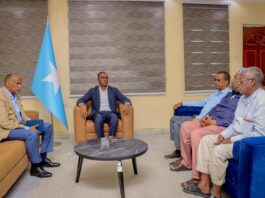
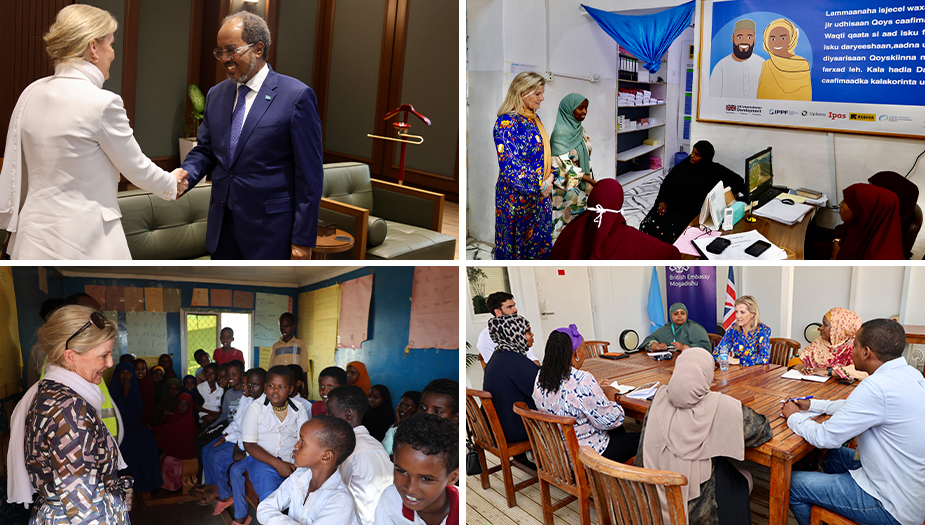
In Mogadishu, Sophie Helen was hosted at Villa Somalia by President Hassan Sheikh Mohamud for an introductory call. The embassy said the meeting focused on women’s roles in peacebuilding, strengthening community resilience, and holding perpetrators of sexual and gender-based violence accountable. The Duchess welcomed Somalia’s Women, Peace and Security National Action Plan and encouraged its sustained implementation to improve conditions on the ground.
The Duchess also met survivors of conflict-related sexual violence at Uganda House in Villa Somalia with the president’s daughter, Jihan Abdullahi Hassan. Victims recounted gender- and sexual-based violence perpetrated by al-Shabaab, highlighting the importance of the UK-Somalia security partnership, the embassy said.
Sophie Helen met representatives of Somali organisations partnered with the British Embassy, including the Ifrah Foundation, ALIGHT Somali Women’s Leadership Initiative, and Somali Women Study Centre. These groups operate under difficult conditions shaped by conflict, drought, and limited resources, which exacerbate the prevalence of sexual and gender-based violence. Between 2024 and 2025, UK support reached nearly 130,000 women and girls, providing clinical care, hygiene and dignity supplies, and psychosocial support.
At a hospital in Mogadishu, the Duchess observed a UK-funded sexual and reproductive health programme operating in 39 facilities across Banadir, Bay, Mudug, Lower Shabelle, and Galgaduud. The programme, run by the International Rescue Committee, strengthens service delivery in regions affected by insecurity and displacement, and helps reduce stigma for survivors seeking care. Women shared the devastating effects of female genital mutilation, rape, and sexual assault, highlighting the ongoing challenges faced by Somali women despite international support.
Somalia has struggled for decades with insecurity, militant activity, and weak institutions. Experts say visits like the Duchess’s, which combine diplomacy, humanitarian engagement, and public attention, are part of broader international efforts to support Somalia’s fragile peacebuilding processes and improve protection for vulnerable populations.
The Duchess departed Somalia on Feb. 24 to continue her regional tour, with the British Embassy noting her visit reinforced the strategic importance of supporting women in fragile and conflict-affected communities.