
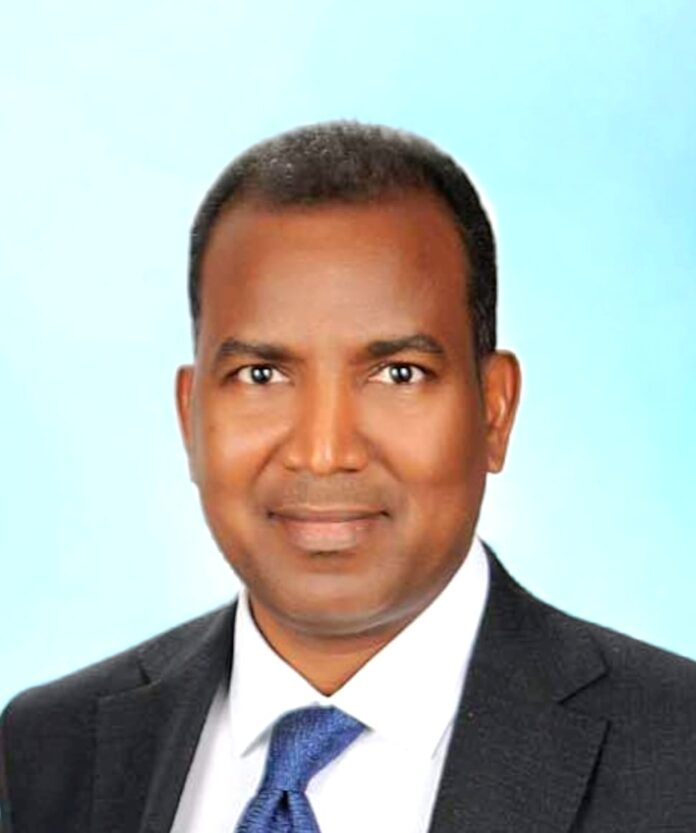
By Mohamed Abdullahi Mursal
The South West State of Somalia is facing a severe crisis: the collapse of governance and public order has effectively erased the functioning of legitimate state institutions.
It is well known that the state’s key institutions—the Parliament and the Presidency—have long exceeded their constitutional mandates. This constitutional vacuum has created both political and security chaos, leaving the entire South West region in a deeply fragile and precarious situation.
Adding to this crisis is the ongoing suffering of communities already battered by drought. To compound their plight with conflict and political manipulation is a tragic injustice—one for which the failing regional administration in Baidoa bears direct responsibility. The prolonged mismanagement of governance has brought the region to this critical juncture.
The Federal Government of Somalia also shares responsibility. By illegally extending the term of office for regional leaders, the government has legitimized a deeply flawed process. A false extension of power is never lawful; the only legitimate recourse is a free and fair election.
So what is the solution? How can the South West State navigate this impasse and restore legitimacy and order? And what avenues exist that are consistent with the Constitution?
The answer is clear: the solution lies with the Council of Traditional Elders of the South West State, as outlined in the South West State Constitution, Articles 59 and 60. These articles specify that in situations like the current one, where state institutions are incapacitated, the Traditional Elders Council is the only constitutionally empowered body to mediate and provide leadership.
The Council is tasked with steering the region through this transitional phase. It will oversee the formation of the State Parliament, which will in turn select its leadership. The Parliament’s leadership will then appoint the Electoral Committee responsible for choosing the State President.
Article 59 establishes the Council of Traditional Elders as a constitutional body composed of the region’s clan and community leaders. Article 60 further outlines their responsibilities:
- To work for peace and the public interest of the South West State.
- To act as an arbitrator when state institutions are unable to perform their duties.
- To serve as a decision-making authority in urgent circumstances, especially when the legislature is nonfunctional.
- To ensure that, in the absence of a functioning Parliament, the Council temporarily assumes its role.
Today, this legal mechanism offers the only viable route to prevent further collapse. It is imperative that the Council assumes leadership immediately, supervises the formation of a new legislature, and guarantees security so that representatives can be freely elected. Their historical and constitutional role has never been more critical.
Article 61 further safeguards the rights and immunity of the Council members, ensuring that they cannot be harassed or interfered with in the performance of their duties. Their protection is essential to allow them to act decisively.
Finally, I call on the Council of Traditional Elders to rise to this historic responsibility and exercise their constitutional mandate to save the South West State from total collapse. The outgoing administration should promptly transfer any remaining authority to the Council, and the Federal Government must fully support them in executing this transitional process. There is no alternative path to resolving the crisis peacefully and legally.
All stakeholders in South West Somalia must rally behind this approach. It is the only way to safeguard governance, restore order, and prevent further suffering in the region.
——–
The author is Mohamed Abdullahi Mursal, Former Minister of the Presidency, South West State of Somalia